Hello.
My name is Seonah.
At 16, I left Korea with a one way ticket to Canada. No connections. Very little money. Just conviction that there was more out there for me to discover.
I learned how to integrate myself into places where I clearly didn't belong. How to identify who to trust when you know no one. How to make decisions without anyone's guidance.
I learned that resourcefulness isn't something you're born with. It's what emerges when you can only rely on yourself, when survival depends on figuring things out.
I didn't have money for a normal high school timeline, so I found the fastest path forward. I took on double the course load and studied twice as hard as my peers. I graduated early, saving six months of living costs and tuition I simply couldn't afford.
That's when I learned something fundamental about myself: when there's a goal, I find a way to reach it.
The confidence that I could figure anything out? I earned that then, in those years of relentless problem solving and forward motion.
That scrappiness and confidence never left me. They're still how I approach every challenge, every new problem, every ambitious goal. The kid staring at the world map was curious about what was out there.
The operator I've become is still driven by that same curiosity, still figuring things out, still moving forward.
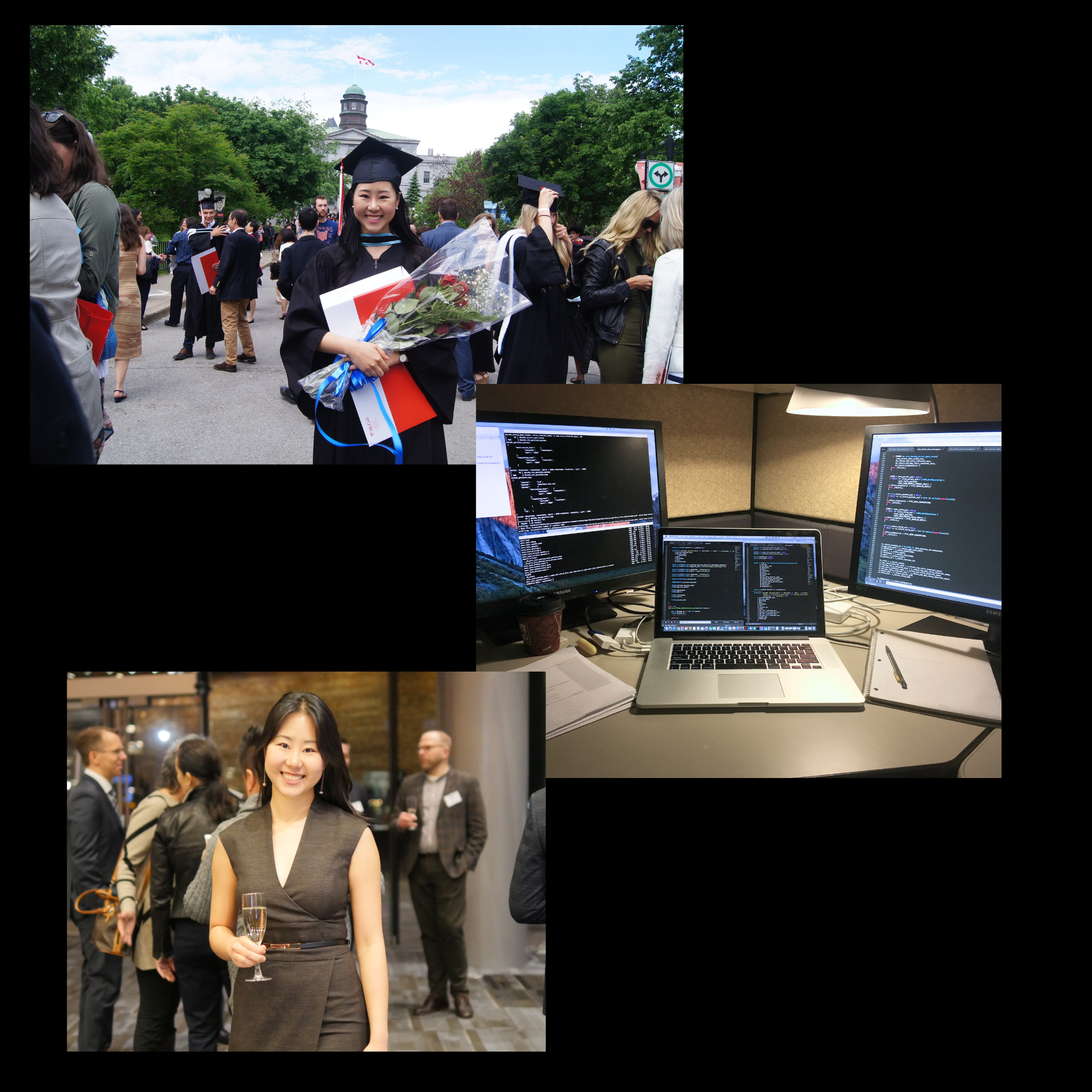
I Love Systems
I fell in love with Mathematics and Computer Science because because I loved patterns, systems, and logic.
Maybe I was drawn to structure because my life had so little of it. Or maybe I just liked knowing that if you did the work, you'd find the answer.
I became a software engineer because I enjoyed building systems that worked. Writing clean code. Creating solutions that functioned as intended. There was genuine satisfaction in solving technical problems.
But over time, I realized the problems I actually cared about weren't purely technical. They were organizational, human problems. How do you get cross-functional teams to move together toward a shared goal? How do you take a CEO's ambitious vision and translate it into something real that a whole organization can execute? How do you build infrastructure that scales as you grow, without creating the bureaucratic chaos that slows everything down?
These questions fascinated me more than any algorithm ever had.
The mathematical thinking still applies. The systematic approach, the pattern recognition, the logical frameworks.
But now I'm applying those same principles to human systems. Building systems that helps people collaborate, decide, and execute better together.
What 30 Countries Taught Me About People
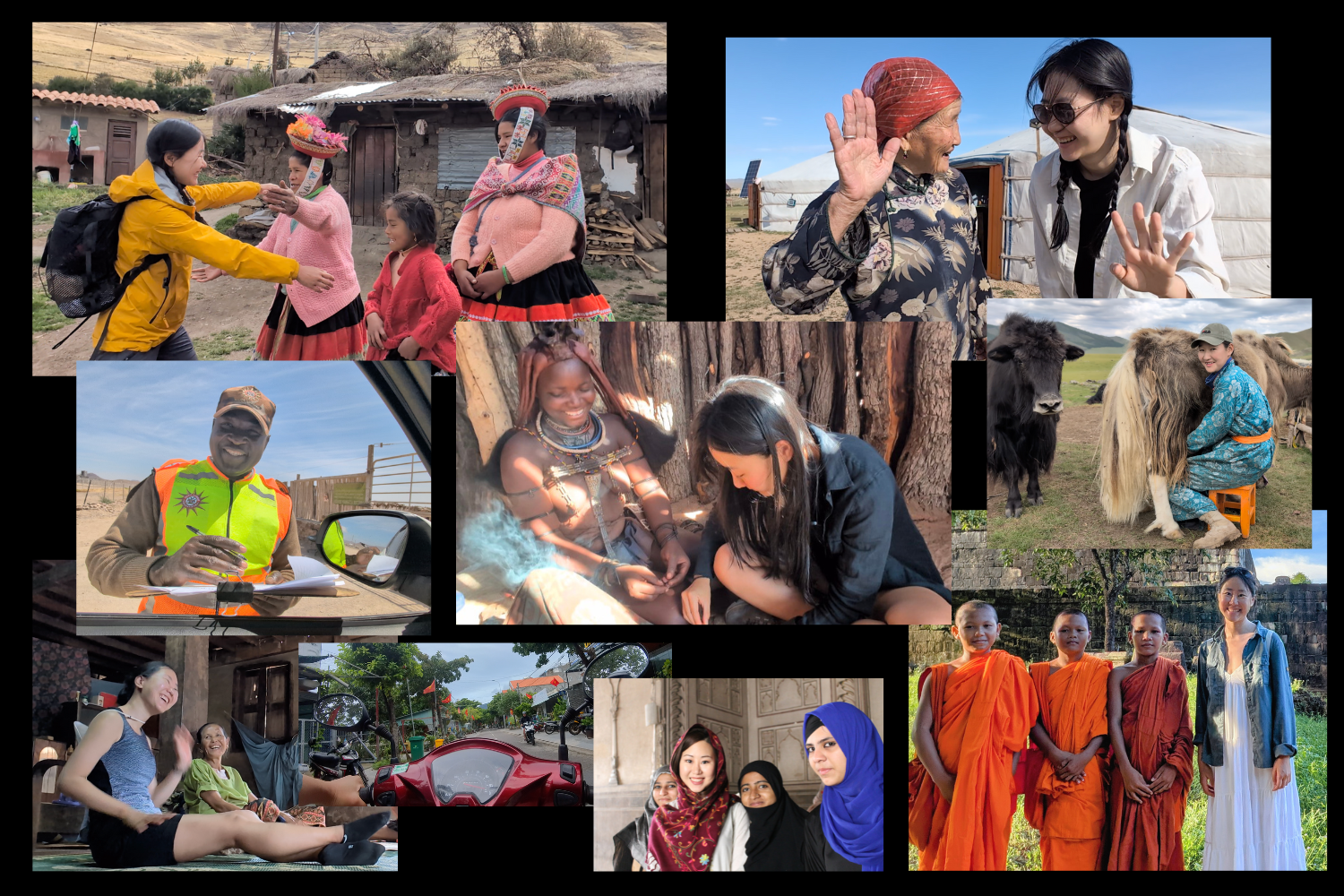
As my career progressed, I learned that systems alone aren't enough. You have to connect with people, convince them, help them feel understood, and earn their trust.
In recent years, I took time off to travel to 30+ countries across 6 continents. Mongolia. Namibia. Pakistan. Oman. Laos…I went to the most remote places I could find, places where I shared no language, no culture, no obvious common ground.
It was uncomfortable. Sometimes scary. Occasionally dangerous.
But yet I managed to build real connections. People opened their homes to me. They shared meals. They gave me their time. They helped me navigate impossible logistics. Some are still waiting for me to visit again. How did a stranger with broken language skills and nothing to offer manage to build that kind of connection?
I learned this: people always open up when they realize you genuinely care. I cared enough to show curiosity about their lives. To ask questions, even when I stumbled over the words. To try to understand who they were, not just what I needed from them.
Maybe that's the secret. Connection isn't a technique you learn or a skill you acquire. It's caring enough to see people as people, not obstacles or resources or stakeholders.
That ability to connect across profound difference became the most valuable skill I have. In business, in leadership, in life.
The Mountain That Taught Me How to Live
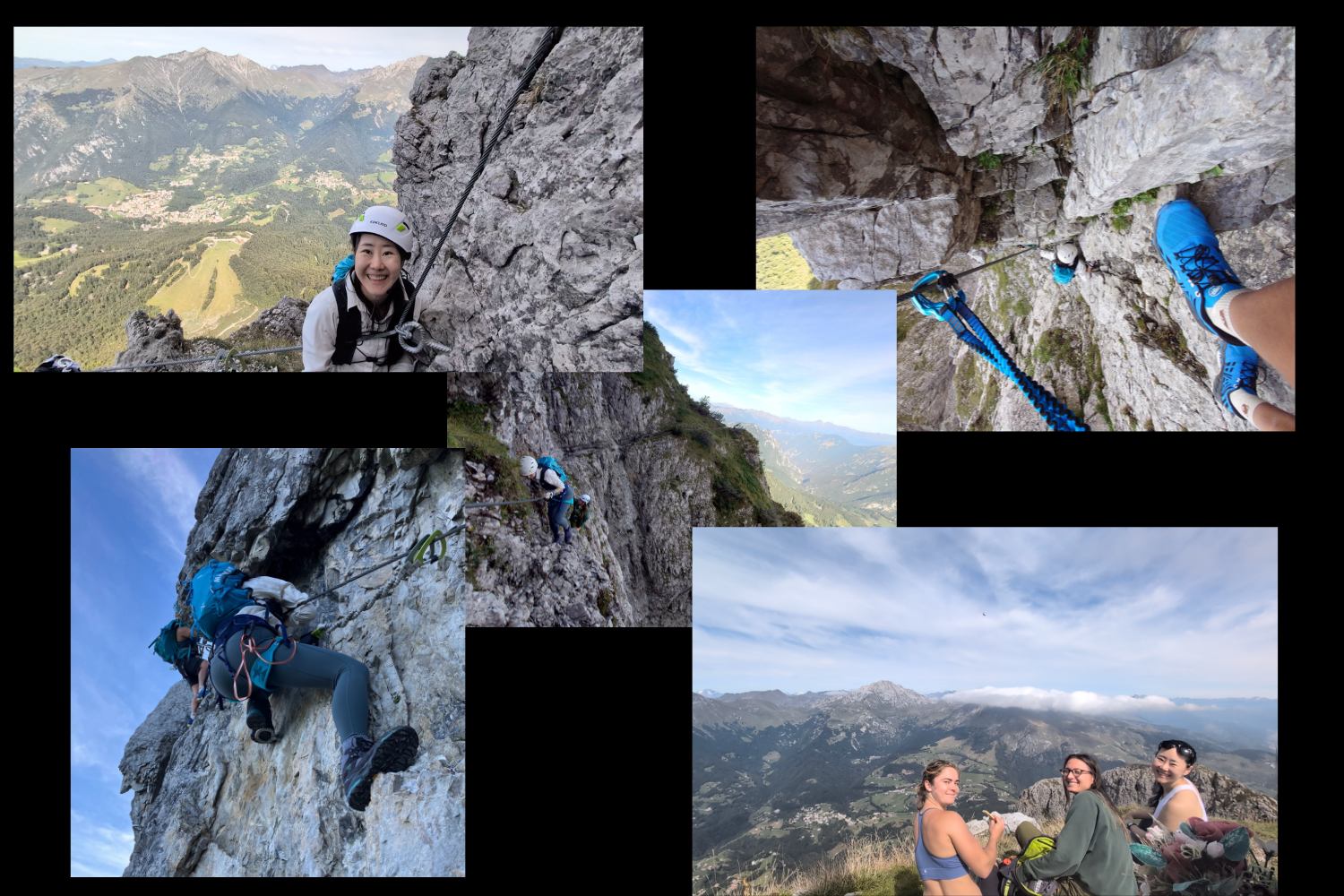
I was visiting my friend Kiara in Milan. She asked if I wanted to do via ferrata the next day.
"Sure," I said, having absolutely no idea what that meant.
We drove two hours into the mountains. When we arrived, I looked up at sheer rock faces and steel cables bolted into cliffs and became speechless.
Kiara handed me a harness. "You'll be fine," she said. "Just don't look down."
Here's the thing about via ferrata: once you start climbing, you can't go back. The path only goes up. You're clipped in, committed, moving forward or not moving at all.
Halfway up, I made the mistake of looking at how far I still had to go. Panic set in. I froze and thought, Oh. This is how I die.
Then I remembered something. I couldn't control the whole mountain. I could only control the next handhold.
So I stopped thinking about the summit. I focused on what was directly in front of me. One move. Then the next. Then the next.
Three hours later, I was standing on top of a mountain that I thought I would need to be rescued from. Sometimes I get so focused on what I can accomplish alone that I forget what becomes possible when we go together.
I learned three things that day:
Focus on what's in front of you.The big picture matters, but execution happens one step at a time.
You can't go backward. Once you commit, the only option is forward.
You don't have to do it alone. Kiara was above me coaching each move. Susanna was behind me making sure I didn't slip. I wasn't climbing solo. None of us ever are.
What Keeps Me Competitive
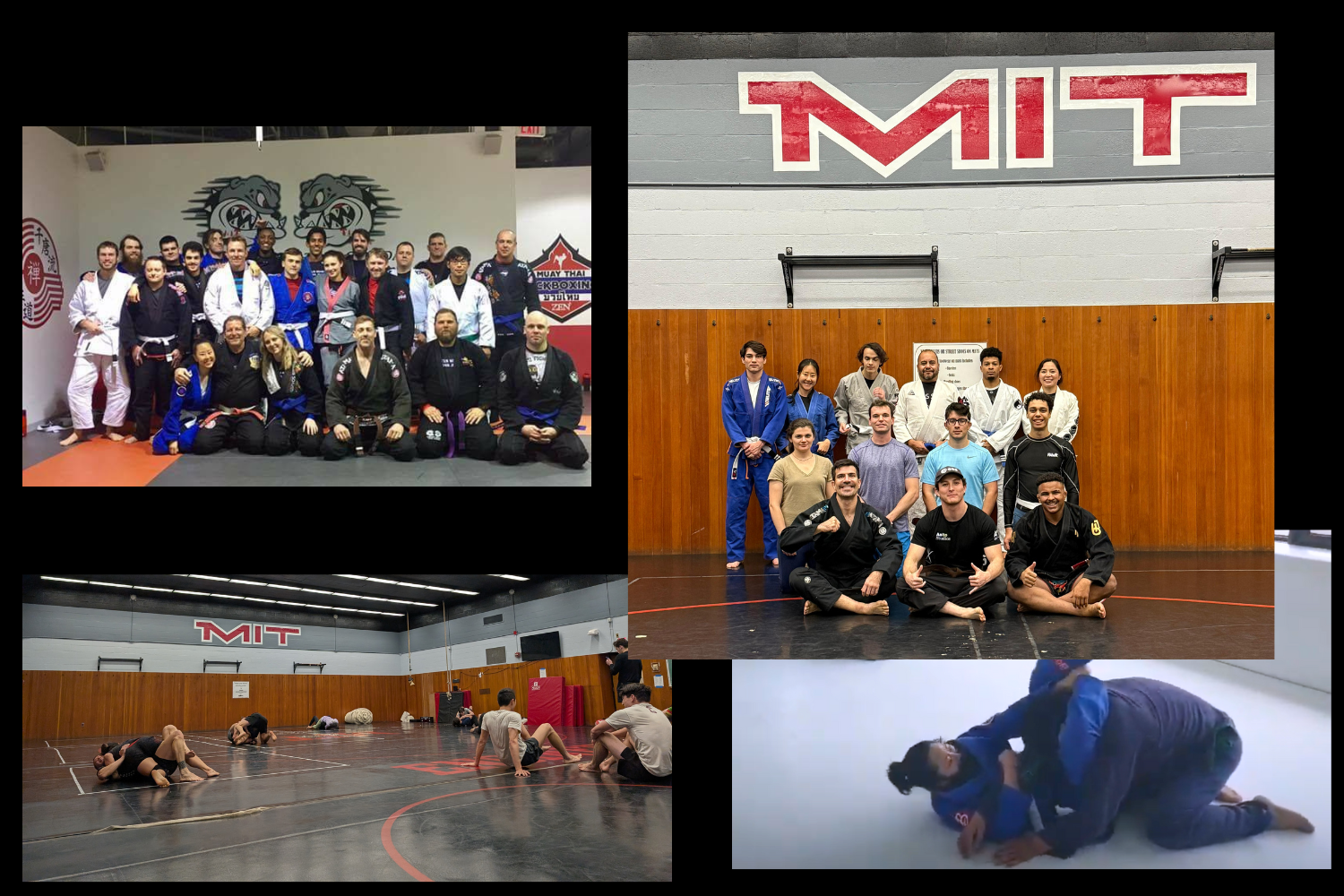
For 10 years, I've trained Brazilian Jiu Jitsu in gyms from Vancouver to Seoul to Boston.
It's my constant through every move and career change. Walk into any BJJ gym in the world, and within minutes you're training with people who were strangers five seconds ago.
Every roll teaches the same things: read what your opponent isn't saying, anticipate what's coming, stay calm under pressure, adapt when your plan fails. A smaller person can submit you if they understand leverage better. There's always someone better, which means there's always more to learn.
The mat reminds me that growth only happens outside your comfort zone, and the best leaders stay humble.
Why I'm at MIT
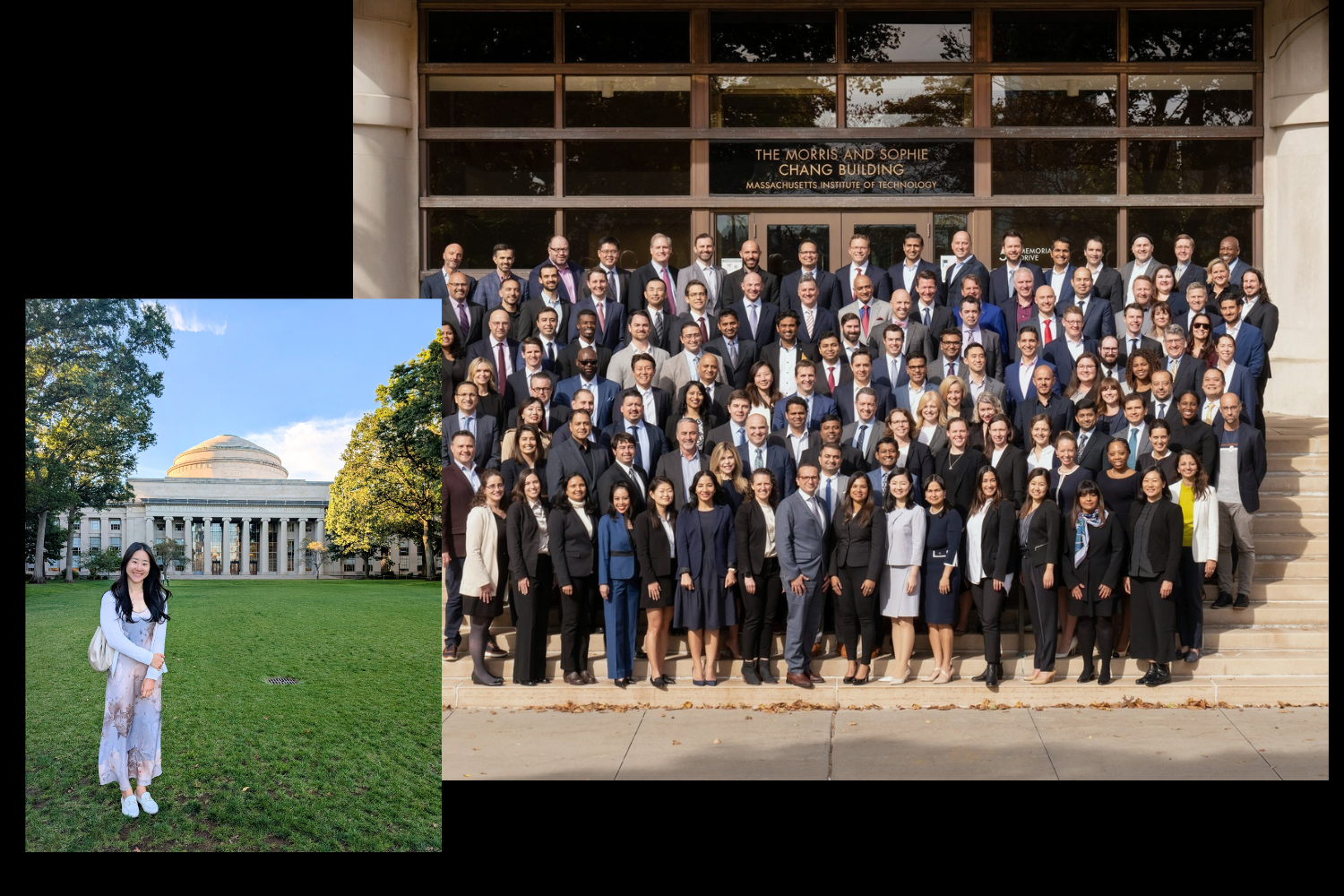
After years of building and leading, I realized I'd hit a ceiling; not in what I could do, but in what I knew.
I wanted to understand business at a deeper level. Strategy. Finance. How great leaders build organisations that last. So I came to MIT Sloan for an Executive MBA.
The coursework matters. But the real gift? Being surrounded by people from every continent, every industry, every background, all solving the hardest problems in their fields.
That energy pushes me to think bigger about what I want to build and who I want to become.
Who I'm Becoming
I’m proud of who I’ve become, but I’m more excited about who I’m becoming.
That 16 year old with a one way ticket could not have imagined this life. And still, what energizes me most is what comes next: becoming a leader who builds systems that scale without losing sight of the people inside them. A leader who pairs scrappiness with discipline, turning what we figure out into infrastructure that lasts. Who connects people across differences and helps them see they are building toward the same thing.
I want to remain deeply curious about people, lead with empathy, and move forward with conviction.
I hope you feel the same about your own journey, proud of where you have been, and excited about where you are going.
If any of this resonates, let’s talk.